
Budgeting for beginners

Budgeting for Beginners: Smart Finance Tips

Making a money plan can seem hard at first. Yet, knowing budgeting basics is key for keeping your money safe. Through smart money handling, beginners can set a strong base for future wealth. This guide gives simple steps for managing your money well. It helps you take charge of your money journey.

Key Takeaways

  • Budgeting empowers you to take control of your finances.
  • Set achievable short-term and long-term financial goals.
  • Create an emergency fund for unexpected expenses.
  • Track spending to understand where your money is going.
  • Use budgeting tools for better financial planning.
  • Review and adjust your budget regularly.
  • Efficient debt payment methods can accelerate financial stability.

Why Make a Budget

A budget is key to good money planning. It helps organize your money in and out. This way, you know your money situation and make smart choices. With a budget, you pay bills on time and save for big dreams. This helps you build good money habits.

Benefits of Budgeting

Budgeting has lots of great points. It sets clear limits on spending. This stops you from buying things you don’t need. You can save more or put money into important stuff. A budget also helps you pay bills on time. So, your money health gets better.

Financial Control and Stress Reduction

Making a budget gives you control over your money. You know where every dollar goes. This makes you feel confident and in charge of your finances. Also, a budget cuts down stress. With a plan, you worry less about money problems. It leads to a stable money life.

Identify and Set Financial Goals

Having clear financial goals is key to a secure and planned future. It matters whether you’re thinking short-term or dreaming big for the future. Setting goals is the first step to managing your money right.

Short-term Goals

Short-term goals can be met within a year. They include making a monthly budget, paying off debt with high interest, or starting an emergency fund. These goals quickly address your immediate money needs and lay the groundwork for bigger plans. They also tie into setting financial objectives.

Long-term Goals

Long-term goals take more time and are vital for your financial future. These might be saving for retirement, buying a house, or building wealth that lasts generations. Setting long-term milestones helps you grow and stabilize your finances over time. Clear goals are crucial to reach these big dreams.

Time Frame Examples of Financial Goals
Short-term (up to 1 year) Creating a budget, paying off high-interest debt, building an emergency fund
Mid-term (3-5 years) Paying off student loans, saving for a down payment, investing in education
Long-term (> 5 years) Retirement planning, paying off a mortgage, creating generational wealth

It’s important to keep checking and updating your goals as life changes. This keeps your financial plans in line with your current situation. Helps you stay on track towards both your immediate and future goals. For tips on how to do this, check out Investopedia’s guide on setting financial goals.

Create an Emergency Fund

Having an emergency fund is key to financial steadiness. It is like a safety net for surprise costs. It ensures you have money for many months if needed.

Purpose of an Emergency Fund

An emergency fund protects you when unexpected things happen. Things like health issues, car fixes, or losing a job. It helps you stay calm, cuts money worries, and keeps you from needing costly loans.

This fund is vital for keeping your finances safe. It’s there for you when things go wrong.

Steps to Build an Emergency Fund

Starting an emergency fund can feel tough, but it’s easier with a plan.

  1. Start Small: Even $5 a week begins to add up to a big help later on.
  • Save $5 a week, and you have $260 after a year.
  • Save $10 a week for $520 after a year.
  • With $15 a week, it’s $780 after a year.
  • Saving $20 weekly gets you $1,040 in a year.
  • Set Up Reminders: Use your phone or notes to remind you to save often.
  • Automate Your Savings: Auto transfers can send some of your pay directly to your emergency account.
  • Cut Non-Essential Expenses: Small changes in spending can really add up:
    • Pack lunch instead of buying.
    • Brew your coffee at home.
    • Try public transport.
    • Skip one thing you don’t need at the store.
    • Look for discounts and cashback.
  • Boost Your Fund: Add any extra cash you can:
    • Put tax returns, bonuses, or pay raises into your fund.
    • Sell things you don’t use for extra money.
    • When you finish paying a loan, keep saving that amount.
  • An emergency fund is vital for a stable money future. Begin with small steps, save automatically, spend wisely, and use extra cash wisely to build a solid financial cushion.

    Know Where Your Money is Going

    Knowing where your money goes is key to handling your cash well. Tracking your spending helps you see what you buy. This makes you more aware of your money habits.

    You might keep a detailed journal or use apps like Mint or YNAB to track your spending. These help by making tracking easy and show where your money goes. Let’s look at how tracking expenses makes you more money-wise:

    • Identify Unnecessary Spending: Watching your expenses lets you cut what you don’t need.
    • Allocate Funds Effectively: Knowing where money goes helps match spending with goals.
    • Prevent Overspending: Seeing all spending helps stick to budgets and stops impulse buys.

    Adding expense tracking to your money habits can lead to better choices and big savings. Understanding your money flow is the first step to being stable financially.

    Evaluate Your Needs and Wants

    Understanding the difference between needs and wants is key. It helps you make smart money choices. By knowing what’s essential and what’s not, you can keep your budget in line with your goals.

    Understanding Needs

    Needs are things you must have to live and function every day. This category includes items such as food, a place to live, utilities, getting around, and health care. It’s important to cover these needs first before spending money elsewhere. This is essential for wise budgeting.

    Recognizing Wants

    Wants, on the other hand, are not necessary for survival. They include things like eating out, fun activities, trips, and fancy items. Knowing what’s a want and what’s a need can help you spend smarter. It leads to better control over your finances.

    Using this knowledge in your budget helps you avoid unnecessary spending. It allows you to focus on what’s truly important. This way, you can manage your money better and make smarter choices.

    Steps to Create a Budget

    Making a budget is key for good money management. Starting a planned budget helps people control their money and reach their money goals. Here are easy steps to make a budget that fits you.

    List Your Income, Savings, and Expenses

    First, write down all money sources, savings, and what you spend each month. This is very important because it shows your monthly money flow. Make sure to note earnings from jobs, freelance work, dividends, and any other incomes.

    It’s also key to track how much you save and all you spend your money on. This includes rent, power, food, getting around, and fun activities.

    1. Income: Salary, bonuses, freelance income, etc.
    2. Savings: Retirement accounts, emergency fund, investments
    3. Expenses: Rent/mortgage, utilities, groceries, transportation, entertainment, etc.

    Review and Adjust Your Budget

    It’s important to check and change your budget to match your financial changes or goals. Doing this keeps your budget real and helpful as time goes on. Think of it as an ongoing task where you can tweak your plan to match what you really earn and spend.

    Adjusting your budget might mean spending less on extra things or moving money to more important areas. Be ready to change how you manage your budget to get the best results for your money.

    Budgeting Techniques for Beginners

    Finding the best budgeting methods is key for keeping your money in check, especially for starters. We will look into two main ways to help you begin wisely.

    Zero-Based Budgeting

    Zero-based budgeting makes sure every dollar has a job. It helps you track your money better, giving you more control. This plan helps you spend and save wisely. It makes it easy to see where to save or spend more.

    50/30/20 Rule

    The 50/30/20 rule is a simple method to handle money. It splits your income: 50% for needs, 30% for wants, 20% for savings. This way, you can save well and still enjoy your money.

    Budgeting Strategy Description Best For
    Zero-Based Budgeting Allocates every dollar to a specific purpose Detailed spenders
    50/30/20 Rule Divides income into needs, wants, and savings Simplistic planners

    By learning and using these budgeting ways, starters can really get to know their spending. This creates a lasting plan for their money future.

    Use Budgeting Tools

    Using budget tools can make handling your money easier. Many people like digital budgeting apps and software. They let you watch your spending, make budgets, and plan for the future.

    There are lots of budget tools out there. Each one has its own special features. Using these tools can help you understand how you spend your money. You can then make smarter choices. Here are some of the best ones:

    Tool Key Features
    Mint Automatic categorization of expenses, custom budgets, financial goal tracking
    You Need a Budget (YNAB) Zero-based budgeting, detailed reporting, debt payoff planner
    Personal Capital Investment tracking, retirement planning, advisory services

    Apps like Mint help you see where your money goes. They sort your spending automatically. Tools like Personal Capital are great for tracking investments and retirement planning.

    YNAB teaches you to give every dollar a job. This makes sure you use your money well. Adding these tools to your money routine can make a big difference. They simplify complex budgeting. Choosing the right tool can make your financial life better and less stressful.

    Tips to Stick to Your Budget

    Sticking to a budget can be tough. But, with regular checks and updates, you can get better at managing your money. Here are some tips to help you stay on track with your budget.

    Track Your Spending

    Tracking where your money goes is key. Keeping a close eye on your spending is crucial. Use apps or a spreadsheet to note what you spend each day. This helps you see where to save money.

    Regularly Reevaluate Your Budget

    Your money situation can change. So, it’s important to check your budget often. At the end of each month, look at what you spent. See if you need to make changes. This keeps your budget up-to-date. It also helps you stay financially strong.

    Pay Down Debt Efficiently

    Being smart about paying off debt matters a lot. You can pick from the snowball or avalanche method. They help you get rid of debt faster and save on interest. This way, you find financial peace.

    Debt Snowball Method

    The snowball method means you pay small debts first, then tackle bigger ones. It feels great to clear debts one by one. Say you have debts of $500, $1,000, and $2,000. Start with the $500 one.

    Debt Avalanche Method

    The avalanche method is different. You pay off high-interest debts first. This saves you money in the long run. Imagine having loans at 20%, 15%, and 10% interest. You would pay the 20% one first.
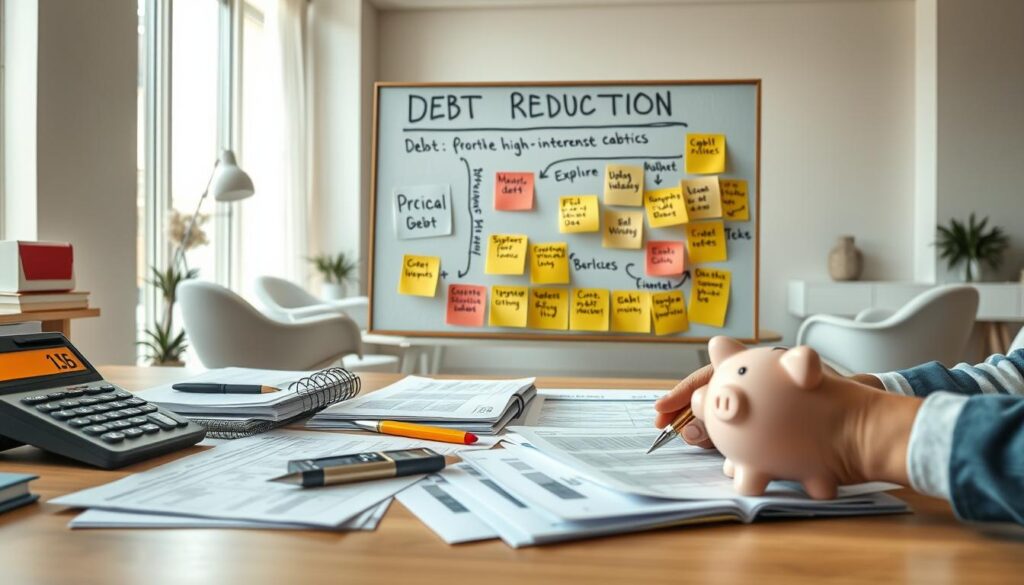
    debt reduction strategies

    Method Focus Benefits Drawbacks
    Debt Snowball Smallest Debt First Quick Wins, Motivational May Pay More Interest
    Debt Avalanche Highest Interest First Less Interest Paid Takes Longer for Wins

    Using these strategies lets you choose how to pay off debt. You might like the snowball method for the motivation. Or prefer the avalanche for saving on interest. The key is to keep making payments steadily.

    Common Budgeting Mistakes to Avoid

    Even small mistakes in budgeting can lead to big money problems. It’s important to stay away from common budgeting errors. One big error is not guessing your expenses right, which can mess up your budget. Make sure to plan for all costs, even the ones you don’t expect, to avoid surprises.

    It’s easy to forget to update your budget when things in life change. Your budget needs to change too if your money situation or expenses do. Changing your budget helps you avoid financial planning mistakes. Also, setting goals that are too difficult can make you upset. It’s better to set goals that you can really achieve.

    Budgeting Error Impact Solution
    Underestimating Expenses Budget Overruns Accurately track all spending, including irregular costs
    Not Adjusting Budget Inability to manage changes Review and update budget regularly
    Unrealistic Goals Lack of motivation Set achievable and measurable financial goals

    Knowing and fixing these common budgeting pitfalls can make your budget better. Stay aware and make changes to lower your financial planning mistakes. This makes your future safer and more stable with money.

    Conclusion

    We’ve gone through a lot in budgeting. It’s a key skill for keeping your money in check. First, we talked about making a budget, setting money goals, and having some savings for emergencies. These steps help you manage your money well.

    We learned it’s important to know where your money goes. Knowing what you really need versus what you want helps a lot. We also looked at easy budget methods like Zero-Based Budgeting and the 50/30/20 Rule. These can really help you take control of your cash.

    Using budget tools and keeping track of spending are big steps to win at budgeting. Paying off what you owe is also important. Avoiding mistakes and checking your budget often keeps you on track. Learning more about money will help you keep growing and stay secure. Remember, budgeting is a journey, not just a one-time thing. It’s about being smart with your money always.

    FAQ

    Why is budgeting important?

    Budgeting is key for handling money well. It ensures you can pay for what you need and save. By setting spending limits, you avoid financial stress. This gives you better control over your money.

    What benefits does budgeting offer?

    Budgeting has many pluses. It helps you spend wisely and save more. You won’t spend more than you have. It cuts down on money worries. You’ll feel more in charge of your finances.

    How can budgeting help in reducing financial stress?

    Budgeting lets you see your money situation clearly. This stops surprise money problems. It’s a big help in feeling less stressed about cash.

    What are short-term financial goals?

    Short-term goals are things you plan to do soon. Like paying off a credit card. Or saving for a trip.

    Why are long-term financial goals important?

    Saving for the future, like retirement, is key. It makes sure you’re secure later. Your budget today helps reach those goals.

    What is the purpose of an emergency fund?

    An emergency fund is money saved for unexpected times. It gives you peace of mind. It keeps you stable when surprises happen.

    How can I build an emergency fund?

    Start with saving a little often. Cut back on things you don’t need. Put any extra money, like bonuses, into your fund. Aim to cover many months of expenses.

    How do I track where my money is going?

    Use a spreadsheet, notebook, or apps to watch your spending. This helps find where you can spend less.

    How can I differentiate between needs and wants?

    Needs are must-haves, like food and a home. Wants are nice-to-haves, like dining out. Knowing the difference helps you budget better.

    What are the steps to create a budget?

    Write down all income and what you spend. Put things in categories. Save some money. Check and change your budget as time goes by to stay on track.

    What is zero-based budgeting?

    In zero-based budgeting, every dollar has a job. Expenses, savings, or paying off debt. Your income minus expenses should be zero.

    What is the 50/30/20 rule?

    This rule breaks down your income. Spend 50% on needs, 30% on wants, and save or pay off debt with 20%.

    How can budgeting tools help in financial planning?

    Tools like apps make budgeting easier. They show how you spend your money. They keep you organized to reach your money goals.

    What are some tips to stick to a budget?

    Keep an eye on spending. Update your budget as needed. Stay focused on your financial targets to keep your budget working.

    What is the debt snowball method?

    Start by clearing small debts first. Then tackle bigger ones. It builds momentum in paying off debt.

    What is the debt avalanche method?

    Pay off high-interest debts first. It saves on interest. This lowers your total debt quicker.

    What are some common budgeting mistakes to avoid?

    Don’t guess low on what you spend. Update your budget when things change. Always track your spending. These steps keep you financially steady.


    Passive income ideas

    15 Smart Passive Income Ideas for 2023

    Exploring passive income is key for financial freedom. You don’t need a regular 9-to-5 job. This guide shares 15 cool ways to make money in 2023 with little work. Passive income helps you grow your wealth. It also keeps you safe when money is tight.

    Key Takeaways

    • Exploring passive income is crucial for financial independence.
    • The guide introduces 15 innovative strategies for 2023.
    • Minimal ongoing effort is emphasized.
    • Passive income supports wealth accumulation and security.
    • Each idea aims to help achieve financial independence.

    Invest in Real Estate

    Real estate is a top way to make passive income. It has big ROI potential through rent and value growth. By buying rental properties, you get stable cash and tax perks. It’s key to know the market to get the most from your investments.

    Benefits of Real Estate Investment

    Real estate gives you steady money. High-demand areas can provide regular rental income. There are big tax benefits, like deductions on mortgage interest and taxes. Over time, property values usually go up, increasing your wealth.

    Types of Real Estate Investments

    There are many real estate investment types. Residential places, like houses or apartments, are common. Invest in rental properties. Commercial spots, like offices and shops, can earn more but cost more at first. REITs let you put money into real estate without managing it yourself.

    Tips for Success

    To do well in real estate, plan carefully. Research to know market trends and good locations. Good property care is a must, done by you or a service. Be smart with money, have a budget, get good loans, and save for surprises. Following these steps can help you win in real estate.

    Start a Blog

    Starting a blog is a great way to earn money. It lets you connect with interested readers by focusing on a special area. If you want to make money blogging, pick a specific topic. This can lead to great results.

    Choosing Your Niche

    Finding the right topic for your blog is key. It should be something you love and know a lot about. This makes writing fun and real. Plus, make sure people want to read about it. Many successful blogs talk about health, money, travel, or tech.

    When you mix your passion with what readers want, your blog will do well. People will value your thoughts. They’ll keep coming back, which is good for making money with your content.

    Monetization Strategies

    Once your blog is up, there are many ways to make money from it. Here are some:

    1. Advertising: Use services like Google AdSense. They put ads on your blog. You make money from clicks or views.
    2. Affiliate Marketing: Share products or services from your niche. You get paid when someone buys through your link.
    3. Sponsored Posts: Work with companies. Make content that fits your blog and helps the brand.
    4. Digital Products: Sell your own ebooks, courses, or special content right from your blog.

    For these to work, you need great content, a good online spot, and smart marketing. Niche blogging lets you reach certain readers. This can help your blog make money.

    Passive Income Ideas

    Looking into creative passive income options opens up new chances. It’s important to pick something that fits your interests and skills. This way, you’ll stay excited and motivated.

    Making digital products is a great online passive income idea. You might create printable planners, software tools, or educational videos. After you make them, they don’t need much work. That’s why many business people love them.

    You can also license your music, art, or photos. By selling licenses, you get a steady income with little extra work. This is a great way to make online passive income.

    Starting a podcast is a smart move if you love to tell stories or share knowledge. Podcasts are getting more popular. This makes it easier to get fans and make money from sponsors and ads.

    The great thing about passive income is all the different ways you can make it:

    Passive Income Idea Effort Level Earning Potential
    Creating Digital Products High (initially) High
    Licensing Creative Works Low Moderate
    Starting a Podcast Medium High

    By using different creative passive income options, you can make more money and have more financial safety. Choose what suits you best. Then, you can watch your passive income grow over time.

    Rent Out a Spare Room

    Renting out a spare room can bring in short-term rental income. Sites like Airbnb change how you can make money from your home. They let you earn from a spare room without spending a lot first.

    Airbnb hosting is flexible. You decide when to rent your room. This works with your schedule. Good marketing, treating guests well, and following rules matter a lot.

    Platform Short-Term Rental Income Potential Ease of Use
    Airbnb High Very Easy
    Vrbo Moderate Easy
    Booking.com Variable Moderate

    Using sites like Airbnb helps boost short-term rental income. It also lets you meet people from around the world. To succeed, offer a welcoming space and communicate clearly. This way, you can build a steady income.

    Create an Online Course

    Making an online course is a smart way to use what you know to earn money while you sleep. The boom in online education platforms has made sharing your knowledge easier than ever. You can meet the growing need for e-learning with exciting, well-planned courses.

    Selecting Your Course Topic

    Finding the right topic is key. Start by thinking about what you know best. Popular areas include self-growth, tech, and languages. With the online language learning market set to hit $31.81 billion by 2029, languages are a hot topic.

    Platforms to Use

    Many online platforms can help share your courses. Udemy and Coursera are great for starters. They have many users and offer help with marketing. If you want more control, look into custom LMS solutions for something more tailored.

    Invest in Dividend Stocks

    Investing in stocks that pay dividends is a smart way to make passive income. This strategy involves buying shares from companies that pay dividends often. This way, investors get a regular income. Knowing about dividend yields is key to making more money.

    Understanding Dividend Stocks

    Dividend stocks come from stable companies that share profits with shareholders. These dividends have played a big role in the market’s growth. From 1986 to 2023, Canadian stocks that increased their dividends did better than the overall market with less risk. The Annual Dividend Per Share / Price Per Share formula helps investors know what they will earn.

    How to Select the Right Stocks

    Choosing the best dividend stocks means looking at important numbers. You should check the dividend yield, payout ratio, and if the company has been growing. A payout ratio under 75% is good. It means there’s enough money left to grow the business and handle hard times. You can get cash dividends, stock dividends, or special ones. Picking a Dividend ETF can also help you invest in many dividend stocks at once.

    Using something called a DRIP lets you use dividends to buy more shares. This can help your investment grow over time. Keeping dividend stocks in accounts like TFSAs and RRSPs can save you taxes. This makes your dividend investments more rewarding.

    To make a strong stock market income, it’s important to research and diversify. This way, you can earn consistently, even when the market changes.

    Publish an E-book

    Publishing an e-book is a great way for authors to make money from writing. Thanks to self-publishing platforms, they don’t need traditional publishers to share their work.

    Amazon Kindle Direct Publishing (KDP) stands out for many. It’s easy to use and reaches many readers. Authors can upload their books, set their own prices, and reach readers everywhere.

    Digital publishing isn’t just on Amazon. Barnes & Noble Press and Apple Books help authors too. They support different formats, offer marketing tools, and handle sales. This makes publishing easier and more effective.

    Self-publishing means authors control their work. They choose covers, set prices, and pick how to promote. This way, they often earn more and publish faster than traditional means allow.

    To see how different digital publishing platforms compare, check the table below:

    Platform Key Features Royalties
    Amazon Kindle Direct Publishing Global reach, promotional tools, easy upload Up to 70%
    Barnes & Noble Press Wide distribution, user-friendly interface 65%
    Apple Books Diverse format support, strong analytics 70%

    Sell Stock Photos

    Stock photography is a great way to make passive earnings through photography. You can sell your photos online on sites like Shutterstock or Getty Images. This way, photographers can keep earning money from one photo.

    Doing well in stock photography is about knowing what people want. You must take clear, unique, and useful pictures. If your photos do these things, you can make good money online.

    Anyone can try stock photography, whether you’re new or a pro. Keep adding new, wanted pictures. This will help you do well and make more passive earnings through photography.

    Begin by looking at what photos are popular and find places your special view fits. Selling photos online is about planning, hard work, and finding the right photos to sell.

    Utilize Affiliate Marketing

    Affiliate marketing lets you make money by promoting others’ products or services. You can increase your income and help your audience by using good strategies in affiliate marketing.

    Affiliate marketing strategies

    Choosing the Right Affiliate Programs

    It’s important to pick the right affiliate programs. Find ones that fit what your audience likes and pay well. Amazon Associates, ShareASale, and ClickBank are some top choices.

    Checking a program’s reputation and how much support it offers is key. This affects your success in earning with affiliates.

    • Amazon Associates: Ideal for a wide range of products.
    • ShareASale: Provides a variety of merchants and categories.
    • ClickBank: Best for digital products and offers high commissions.

    Promoting Your Affiliate Links

    Promoting your affiliate links well is key to earn more. Use content marketing, like writing blogs, tutorials, and reviews. This helps you share your links in a smart way.

    Also, use social media to share your stuff. Use email marketing and SEO to reach more people and get more sales.

    “Creating high-quality, helpful content that resonates with your audience ensures that they trust your recommendations, leading to higher conversions and sustainable passive income through affiliates.”

    Rent Out Your Car

    Renting out your car can be a good way to make passive earnings from vehicles. Sites like Turo and Getaround have changed the way we rent cars. This makes it easier for car owners to make money when they’re not using their cars.

    To start making car rental income, you’ll need to do a few things. First, list your car on sites like Turo. You’ll have to share details about your car such as its make, model, and how many miles it has driven. Good pictures also help attract people who want to rent.

    Keep your car clean and well-maintained. This makes it more appealing to those looking to rent a nice and reliable car. It’s also important to have the right insurance to protect your car and make the rental process smooth.

    Knowing when people want to rent cars in your area can also help. For example, renting out special cars during tourist seasons can increase your Turo income a lot.

    Platform Main Feature Potential Earnings
    Turo Wide audience reach Up to $1,000/month
    Getaround Instant bookings Up to $800/month

    Using sites like Turo and Getaround can turn your car into a steady source of money. Being smart about how you rent out your car and keeping it in good shape can help you earn more passive earnings from vehicles.

    Conclusion

    Starting a journey to build passive income streams helps you reach financial freedom. This could be through real estate, blogging, or affiliate marketing. Each choice lets you earn money with little work after the start.

    By having different kinds of passive income, you spread out the risk. This way, you can make more money and feel secure in today’s economy. Keeping track of how your income sources do is key. This means you can improve your plans for more profits.

    For example, updating an online course or e-book helps keep earnings high. Watching the stock market helps you choose dividend stocks wisely. This makes your money situation better.

    Good passive income plans lead to financial independence. This gives you more freedom and choices in life. With the right mix of passive income, your financial future looks bright and secure.

    FAQ

    What are some innovative passive income ideas for 2023?

    Innovative passive income ideas for 2023 include investing in real estate and starting a blog. Renting out a spare room, creating online courses, and investing in dividend stocks are great too. You could also publish e-books, sell stock photos, use affiliate marketing, and rent out your car.

    What are the benefits of investing in real estate?

    Investing in real estate offers stable cash flow and good potential ROI. You can make money through rental yields and property value increase. There are also tax perks.

    To succeed, you must understand market trends and manage your property well. Strategic financial planning is also key.

    How can I start a blog that generates passive income?

    To start a blog, first pick a topic you love or that’s in demand. Use ads, affiliate marketing, and sell digital things to make money.

    It’s key to create top-notch content and have a strong online presence. Good marketing will also help you succeed.

    What types of real estate investments can I consider?

    You could put money into houses, commercial properties, or Real Estate Investment Trusts (REITs). Each has its own pros and how much you need to be involved.

    What are the key tips for success in real estate investment?

    Some top tips are to keep an eye on market trends and manage properties well. Good financial planning is also a must.

    Being up to date about local rules and checking how your properties are doing is also important.

    What should I consider when creating an online course?

    When making an online course, pick a topic that people want to learn about. Use platforms like Udemy, Coursera, or custom LMS solutions to share your course.

    Make sure your content is really good and market your course widely to get many students.

    How do dividend stocks work as a passive income stream?

    Drawing income from company profits, dividend stocks provide a steady money flow. Pick stocks from companies with a good dividend giving track record. Diversifying your investments and doing detailed research on companies is helpful. Stick to long-term investments to get steady earnings.

    Why should I consider publishing an e-book?

    Publishing an e-book lets writers make money with little upfront cost. With platforms like Amazon KDP, reaching readers worldwide becomes easier. This way, you can repeatedly earn from your book.

    How can I make money by selling stock photos?

    Photographers can earn by selling images on Shutterstock or Getty Images. Success comes from knowing what pictures people want and creating high-quality, relevant photos. This attracts buyers.

    What is affiliate marketing and how can it generate passive income?

    Affiliate marketing means you promote products and get paid a commission. Pick affiliate programs that match what your audience likes. Use content, social media, and digital ways well to share your links.

    What are the best platforms for renting out my car?

    Turo or Getaround are good places to list your car for rent. Just make sure your car has proper insurance and is kept in good condition. This way, you can keep making money from it.

    Retirement planning strategies

    Retirement Planning Strategies: Secure Your Future

    Retirement planning is now more complex than before. Many worry about not having enough money for life after work. Surveys show increased fears about running out of money, healthcare costs, and losing investments before retiring. It’s important to make a retirement plan. This plan should deal with these issues and match your financial goals. Doing so ensures a solid financial future.

    Key Takeaways

    • Understand your current financial situation to plan effectively.
    • Set clear and realistic retirement goals to guide your planning.
    • Become familiar with different retirement income sources.
    • Maximize contributions to various retirement savings accounts.
    • Diversify investments to maintain a balanced portfolio.
    • Implement tax-efficient withdrawal strategies.
    • Address debt and consider legacy and estate planning.

    Assess Your Financial Situation

    Looking at your money situation is key for a good retirement. You need to check your income, how much you spend, debts, and savings for retirement. This helps you make a strong plan for retiring.

    Evaluate Your Current Income and Expenses

    First, see what you earn and spend. Look at all money coming in. Then, split your spending into needs and wants. Watching this helps you plan for retirement.

    Determine Your Debt Load

    Next, find out all your debts. Lowering debt helps you stay financially stable when you retire. Think about combining high-interest debts to pay them off quicker. A retirement calculator can help with this.

    Analyze Your Retirement Savings

    Last, look at your retirement savings. Check all your accounts like pensions and investments. Use a calculator to see how your savings will grow. Then, adjust your plan to meet your retirement goals.

    Set Clear Retirement Goals

    Setting goals is key for planning your retirement. It means knowing your future money needs and the life you want. Tools for retirement planning help make this easier. They help you reach your goals.

    Visualize Your Desired Retirement Lifestyle

    Thinking about your dream retirement helps a lot. Imagine how you want to live—traveling, enjoying hobbies, or being with family. This dream guides your money goals and where to invest. It makes understanding retirement tips easier.

    Identify Your Needs, Wants, and Wishes

    It’s important to know the difference between needs, wants, and wishes for retirement. Needs are basics like a house, healthcare, and food. Wants could be fun activities. Wishes might be big trips or a second house. Knowing these helps focus your money goals. It also helps use planning tools well.

    Establish Realistic Financial Targets

    Think about the life you want and what you need, want, and wish for. Then, set realistic money goals. Look at what you have saved and what money you expect to get. Goals should be reachable and fit your dream. Reviewing your budget and saving more helps you stay on path.

    Understanding Retirement Income Sources

    Understanding different income sources is key for planning retirement. Combining Social Security, pensions, annuities, and investments is smart. Let’s look at these important income parts.

    Social Security Benefits

    Social Security is a big piece of retirement money. It looks at your top 35 earning years. In 2023, folks get about $1,759.67 a month. It’s smart to figure out Social Security for you and your spouse. For tips, check retirement income planning.

    Pensions and Annuities

    Pensions and annuities give you money you can count on. Pensions come from work years and pay. Annuities give steady money for life or a set time. Think about annuities for steady money in retirement.

    Investment Income

    Investment money adds to retirement funds. It’s from interest, dividends, and selling for more than you paid. A mix of investments reduces risks and could increase money. With inflation, keeping a balanced mix is key. For investment tips, see resources on retirement planning.

    Maximize Your Retirement Savings

    Maximizing your retirement savings is key for a comfy future. By using different savings ways, you can grow your money. Here are top strategies to try:

    Utilize Employer-Sponsored Plans

    401(k)s and similar plans are great for saving. Many employers match what you put in. This is like getting free money for later.

    Make sure you’re putting enough in to get this match. This way, you get all the benefits.

    Contribute to IRAs and Roth IRAs

    IRAs and Roth IRAs have tax perks to boost your savings. Traditional IRAs grow tax-free until you take the money out. Roth IRAs let you take out money tax-free when you retire, if you follow the rules.

    Using both can give you options and tax benefits.

    Consider Health Savings Accounts (HSAs)

    HSAs are a great, but often missed, savings tool. They give you three tax benefits. You can deduct what you put in, it grows tax-free, and you don’t pay taxes on withdrawals for medical costs.

    They can lower your healthcare costs in retirement and increase your savings.

    Retirement Investment Options

    Choosing the best retirement investment options is key for your financial security later in life. A smart plan involves mixing different types of investments. Let’s look at how to make your retirement savings work best for you.

    Diversify Your Portfolio

    It’s smart to spread out your investments. Putting your money in stocks, bonds, and mutual funds can protect you from big market swings. This way, you can have a steady flow of money for your retirement.

    Balance Risk and Return

    It’s important to know how much risk you can handle when picking investments for retirement. Finding a middle ground between risk and possible gains is key. As retirement gets closer, choosing safer investments helps ensure your money lasts.

    Putting money into both riskier and safer assets can help manage your investment mix. Riskier ones may grow more, while safer ones bring steadiness.

    Explore Real Estate and Other Assets

    Adding real estate to your savings can be a great move. It can give you rental money and may grow in value. Also, think about putting money into things like gold, collectibles, or art. These can add extra safety to your investments.

    Using these ideas will help mix up your investments and balance risk and return. This makes your retirement savings plan more effective.

    Retirement Planning Strategies

    Good retirement planning strategies help you enjoy a worry-free retirement. They should cover every part of your money plan. This means adapting as your life and needs change.

    To plan well, look at what money you’ll need later. Think about health care costs and where your money will come from. Here are key retirement planning tips:

    • Check your money situation often to make sure you’re on track for retirement.
    • Put as much as you can into 401(k)s, IRAs, and Roth IRAs to save for later.
    • Spread your investments to lessen the risk and aim for steady growth.
    • Prepare for health care costs with Health Savings Accounts (HSAs) and maybe long-term care insurance.
    • Learn about Social Security and decide when the best time is to start taking it.

    Good retirement planning strategies also mean checking and changing your plan as needed. You might need to look at investments again, think about annuities, or change how you take out money to lower taxes.

    Thorough retirement planning looks at gathering assets and making sure you’ll have enough money to live on. By using these retirement planning tips, you can make a solid plan. This plan will change with you and keep your future safe.

    Here’s a detailed list of different retirement planning methods:

    Strategy Description
    Maximize Contributions Save more by adding the most you can to retirement accounts.
    Diversify Investments Put your money in different places to manage risk and encourage growth.
    Healthcare Planning Plan for health costs using HSAs and insurance.
    Social Security Optimization Figure out the best time to start Social Security.
    Tax-Efficient Withdrawals Plan how to take money out in a way that lowers taxes.

    Develop a Debt Reduction Plan

    Managing your debt wisely leads to worry-free retirement years. To start, focus on high-interest debt first. Avoid taking on new debt. And always have a good budget for tracking your spending.

    Pay Off High-Interest Debt First

    Paying off high-interest loans like credit cards is key. These debts can really hold you back. Use a retirement planning calculator to see how they affect your future money plans.

    Limit New Debt Before Retirement

    Try not to get new debts when retirement is close. A retirement planning guide can help make smart choices. Staying careful with how you spend keeps you on the right path.

    Create a Budget to Manage Expenses

    It’s smart to have a budget for your money. A budget, made with a retirement planning calculator, helps you know where your money goes. This way, you can keep debt down and stay financially healthy.

    Tax-Efficient Withdrawal Strategies

    Using smart tax strategies is key for retirees wanting to keep more money. It helps them make their savings last longer.

    Prioritize Taxable Accounts

    First, take money from taxable accounts. This move lowers taxes you pay later. It lets your money in IRAs and 401(k)s grow without paying taxes now.

    Consider Roth Conversions

    Switching IRA money to a Roth IRA is a good move. It allows tax-free growth. This is great in years when income is lower, cutting down on taxes.

    Plan for Required Minimum Distributions (RMDs)

    You must start taking money from retirement accounts at 72 to avoid fines. Planning RMDs well means paying fewer taxes. It’s part of a smart overall retirement planning scheme.

    Legacy and Estate Planning

    Making a full estate plan is key to making sure your wishes are followed. A retirement financial advisor can really help in this tricky area. We’ll look at setting legacy goals, taxes, and making a gift plan.

    estate planning

    Define Your Legacy Goals

    When you think about your legacy goals, consider how you want to be remembered. You might donate to charity, help family, or keep assets for later generations. A retirement financial advisor can help make these goals clear and achievable.

    Understand Estate Taxes and Costs

    Knowing about taxes and costs in estate planning is critical. Estate taxes can lower what your heirs get. A smart advisor can help you lessen these taxes and their effect.

    Develop a Gifting Strategy

    It’s also key to figure out a smart gifting plan. This means deciding how to give your assets, now or later. An advisor can help match this plan with your legacy aims. They also make sure you use tax benefits well and follow your wishes.

    Adding estate planning to your retirement plans is vital for a lasting legacy. Getting help from experts gives you comfort. It makes sure every part of your financial future is well planned.

    Conclusion

    To retire well, you need to plan carefully and make sure you have enough money. These strategies help you see everything clearly and know what to do next. They make sure you’re ready for the future.

    Start by looking closely at your money. Build a plan that’s based on what’s real for you. Make goals for retirement you can reach. Knowing about different ways to get income is also key. It helps you create a strong plan. Using different savings accounts and investments means your money can grow.

    It’s also smart to take out money in a way that doesn’t cost you too much in taxes. Work on paying off debts. Make plans for what you’ll leave behind to others. If you follow these steps, you’ll feel good knowing you’re set for later life. You’ll be ready to enjoy your new chapter with confidence and peace of mind.

    FAQ

    How do I evaluate my current income and expenses for retirement planning?

    List all your income sources first. Then, track your monthly spending. This includes things like house payments and food. It also covers fun spending. Seeing this info shows if you’re ready for retirement.

    Why is it important to determine my debt load before retirement?

    It’s important to know your debts. High-interest debts can eat into your retirement money. Lowering debt before retiring means you’ll have more for daily needs and surprises, keeping you stable money-wise.

    How can I analyze my retirement savings effectively?

    Check your retirement accounts like 401(k)s and IRAs. Add up what you have saved. Understanding your savings helps plan better for the future.

    What steps should I take to set clear retirement goals?

    First, think about how you want to live when you retire. This includes where you’ll live and your hobbies. Then, decide what you need, want, and wish for. Lastly, set realistic money goals to match.

    How can Social Security benefits be optimized?

    For more money monthly, wait a bit before taking Social Security. After reaching full retirement age, waiting boosts your check. Also, look into benefits for spouses.

    What are the advantages of pensions and annuities in retirement income planning?

    Pensions and annuities give steady money, like a regular paycheck. They help cover must-have costs. This means you rely less on investments, which can change a lot.

    How does investment income factor into retirement planning?

    Investment money can add to what you get from other places. This helps pay for life and keeps up with rising costs. Having different types of investments is smart. It keeps income coming in retirement.

    What are the benefits of employer-sponsored retirement plans?

    Employer plans like 401(k)s give you extra money, like a match to what you save. They also have tax perks, growing your savings more until you take it out.

    Why should I contribute to IRAs and Roth IRAs?

    IRAs and Roth IRAs save on taxes, helping you save more for later. Traditional IRAs grow tax-free until you use it. Roth IRAs let you take out money tax-free.

    How can Health Savings Accounts (HSAs) benefit my retirement savings?

    HSAs have three tax perks. You get a deduction, growth, and tax-free spends on medical stuff. They can lower your cost for health care when retired.

    Why is portfolio diversification important in retirement investment options?

    Having different investments spreads out the risk. It lessens the blow of one bad investment. A mix of investments gives steady income and helps against big market shifts.

    How can I balance risk and return in my retirement investments?

    Think about how much risk you can take and when you need the money. Younger folks can go riskier for bigger gains. Those near retirement should pick safer bets for steady income.

    Should I consider real estate and other assets for my retirement portfolio?

    Things like houses can give you more ways to make money. Rent brings in steady cash. Real estate and other solid assets can grow in value, adding to your nest egg.

    What strategies can help me reduce debt before retirement?

    Pay off high-interest debt first to avoid bigger problems. Keep new debts low and stick to a budget to lessen your total debt.

    How should I prioritize taxable accounts in retirement withdrawals?

    Use taxed accounts before IRAs and 401(k)s. This plan keeps your taxes low over time and makes the most of your accounts.

    What are the benefits of Roth conversions in retirement?

    Roth conversions can make your retirement money grow tax-free. Converting when your income is lower saves on taxes. This keeps more of your money for later.

    How can I plan for Required Minimum Distributions (RMDs)?

    Learn the RMD rules to avoid big taxes. You can take money out early, manage your tax level, or give to charity wisely to meet RMDs.

    What are the key considerations for legacy and estate planning?

    Know your goals for after you’re gone, like gifts or family legacy. Understand the taxes and costs of giving assets. A plan for giving can lower taxes and fulfill your wishes.

    How can I effectively develop a gifting strategy within my estate plan?

    Giving gifts now can lower estate taxes and might save on gift taxes. You can give without taxes each year. Smart gifting helps your family or charities and keeps your legacy.

    How to save money fast

    Quick Tips: How to Save Money Fast

    Knowing how to save money fast is important, especially now. It’s not just about spending less. It’s about smart financial choices that fit your life and dreams. To save well, begin with simple steps. Track what you spend, set goals you can really reach, and use budget apps to stay on course.

    Key Takeaways

    • Set clear short-term, medium-term, and long-term financial goals.
    • Track your spending using budgeting apps and organizing expenses by categories.
    • Create a budget following the 50/30/20 rule to manage expenditures effectively.
    • Reduce everyday expenses by applying grocery shopping techniques and cutting recreational spending.
    • Focus on frugal living through smart shopping and cooking more at home.
    • Manage your debt by refinancing loans and tackling higher-interest debts first.
    • Consistently build an emergency fund by starting small and automating transfers.

    Set Clear Financial Goals

    Having clear financial goals is key to good money management and smart saving tips. These goals are your map for making wise financial choices and keeping your eyes on what you want in the future. It’s important to sort your goals into short-term, medium-term, and long-term to handle them right.

    Short-Term Goals

    Short-term financial goals need to be met within a year. They include starting an emergency fund or paying off credit card debt. These goals help create a safety net for your finances. You can reach them by cutting back on extra spending or doing small side jobs.

    Medium-Term Goals

    Medium-term goals take one to five years to achieve. They might be saving for a big buy, like a car, or for a wedding. To meet these goals, you need to save money carefully. Think about using high-yield savings accounts or Certificates of Deposit (CDs).

    Long-Term Goals

    Long-term financial goals are those taking over five years to achieve. Examples include saving for a house down payment or getting ready for retirement. These goals need a well-thought-out plan. They often mean putting money into retirement accounts like 401(k)s or IRAs. Setting your goals with definite timelines helps keep you focused and make smart money choices.

    Track Your Spending

    It’s important to know where your money goes. This helps you see if you’re spending too much. You can then save more money. Financial savings get better when you watch your spending.

    Use Spending Trackers

    Using spending trackers is a smart move. They show every expense clearly. With apps like Mint and You Need a Budget (YNAB), it’s easier. These apps help you keep an eye on your money.

    Organize by Categories

    Put your spending in categories. This helps plan your money right. You know what you need most, like food and bills. Then, you can cut costs on fun or extra things. This boosts your financial savings.

    Create and Stick to a Budget

    Managing your money well is important for financial health. A top tip is making a budget plan and sticking to it.

    50/30/20 Rule

    The 50/30/20 rule helps you budget. It says spend 50% on needs like home and food. Spend 30% on fun stuff like movies and eating out. Put 20% into savings or paying off debt. This way, your money is well-managed, balancing spending and saving.

    Automate Savings

    Automating your savings is a smart move. Set up auto-transfers to your savings account. This makes sure you save money regularly without thinking about it. It helps you hit your saving goals easily.

    Using these tips can make your money situation better. Try the 50/30/20 rule or save money automatically. Staying true to your budget is key.

    Reduce Everyday Expenses

    Saving money means changing your daily habits. Shopping smart, using less utilities, and spending less on fun helps. You won’t have to give up the things you love.

    Grocery Shopping Techniques

    Planning meals in advance is a smart move. Make a shopping list and stick to it to avoid buying things you don’t need. Buying things in large amounts can save money. Also, use coupons and look for sales to spend less on groceries.

    Utility Costs

    Cutting down on utility bills saves money too. Choose appliances that use less power. Think about getting a smart thermostat. Turning off lights and unplugging things saves a lot of money over time.

    Recreational Spending Cuts

    Fun doesn’t have to be expensive. Look for free or cheap events nearby. Use subscription services with plans for families. This way, you can have fun and still save money.

    How to Save Money Fast

    Saving money fast isn’t hard. You can save a lot by making small changes. Cut down on things you don’t need. Use discounts and loyalty programs too.

    Looking at your daily spending helps a lot. Making coffee at home saves money. Bringing lunch can save even more.

    Apps can also show how to save money. They track spending and find ways to cut costs. Here’s a look at some apps:

    App Name Key Features Price
    Mint Budgeting, Expense Tracking, Bill Reminders Free
    YNAB (You Need A Budget) Goal Setting, Debt Payoff Assistance $84/year
    EveryDollar Simplified Budgeting, No Ads Free

    To save more, lower utility bills. Use energy-saving bulbs. Unplug devices when not using them. Keep your heating and cooling systems working well.

    These tips show how to save quickly. Small changes or using financial tools can help. Every bit adds up to more money saved.

    Frugal Living: Maximizing Your Savings

    Frugal living is not about giving up fun. It’s about saving money without losing quality. Two big tips are shopping wisely and cooking at home. These help you spend less and live better.

    Smart Shopping

    Shopping smart is a great way to save. Buy second-hand, pick no-name brands, and catch sales. This way, you spend less each month. You’ll have more for other things.

    Brand Price Generic Price
    Brand-name cereal $3.99 Generic cereal $2.49
    Brand-name soap $4.00 Generic soap $2.00

    Cook More at Home

    Cooking at home is key to saving. It’s cheaper than eating out. Making your meals lets you eat healthier and save leftovers. Start this habit for more savings and tasty dishes.

    Effective Debt Management

    Managing your debt well is key to financial safety and saving money. Focusing on managing your debt can bring big benefits over time.

    Refinance or Consolidate Loans

    Refinancing or bundling loans together can simplify your debt plan. It can turn many payments into one. Also, you might get a lower interest rate.

    This means you could pay less each month. Saving more becomes easier. Refinancing at a lower rate can also speed up debt repayment.

    Tackle Higher-Interest Debt First

    Paying off high-interest debt first is a smart move. Like credit card debt. This way, you spend less on interest over time.

    With less money spent on interest, you have more for savings or goals. Before choosing a plan, think about what’s best for you.

    Here’s a look at some interest rates to know:

    Debt Type Average Interest Rate
    Credit Card Debt 15% – 25%
    Refinanced Loan 3% – 7%
    Consolidated Loan 5% – 12%

    Building an Emergency Fund

    Creating an emergency fund is key for staying safe financially. It helps cover costs you didn’t see coming. Let’s look at how to start and keep up your savings for emergencies.

    emergency fund

    Start Small

    One top tip for saving money is to begin small. Save a little bit each month. Start with a goal like $500. This can help with small emergencies. Then, slowly save more as it gets easier for you.

    Automate Transfers

    Setting up automatic savings can be easy. Have a set amount go from your checking to your emergency fund every month. This way, your savings grow on their own, without missing a month. It’s a smart move for consistent saving.

    Save on Transportation

    Saving money on transportation helps lower your monthly costs. By following simple steps, you can cut fuel and upkeep expenses. Plus, you support a healthier life and a cleaner planet. Here are some great budgeting tips to try.

    Walk or Bike Short Distances

    Choose to walk or bike for short trips. It saves money and boosts your health. Many cities have safe bike lanes and paths for you.

    Optimize Car Use

    When you need to drive, make it count. Carpool with friends to share gas costs. Plan your routes to skip traffic and save fuel. Also, keep your car in good shape and think about getting a fuel-efficient model for bigger savings.

    Money-Saving Tips for Infants and Toddlers

    Parenting is full of joy and tough bits. One challenge is keeping track of money. Saving money with kids begins early, especially with little ones. Here are some smart ways to save money during these early years.

    Buy Second-Hand Clothes

    Kids grow out of clothes really fast. Choosing second-hand clothes is a smart save. Thrift shops, consignment stores, and websites like Facebook Marketplace and eBay have gently used clothes for kids that cost less. Buying used clothes means saving money with kids while still getting cool and comfy outfits.

    Limit Extracurricular Activities

    It’s tempting to sign up your kids for lots of activities, but they can be expensive. Pick a few activities that your child really likes. Cutting down on classes saves money and keeps your child from getting too busy. Look for fun, free things to do as a family to find a good balance.

    Investment Strategies for Beginners

    Investing for beginners might seem scary at first. But learning the basics can make it easier. Look into RRSPs, TFSAs, mutual funds, and GICs for a good start. They offer perks like tax savings and steady returns.

    RRSPs and TFSAs

    RRSPs and TFSAs are great for starters. RRSPs let you delay paying taxes, which is great when you earn a lot. TFSAs let your money grow tax-free. This makes them good for many saving goals.

    Mutual Funds

    Mutual funds combine money from many people to invest together. This mix lowers the risk, which is nice for beginners. They’re run by experts who pick where to invest for you.

    Guaranteed Investment Certificates (GICs)

    GICs are safe and offer sure returns after a while. They’re perfect for those who don’t like risks. GICs keep your original money safe and give you a steady return.

    Investment Vehicle Key Benefits Ideal For
    RRSPs Tax deferral on contributions High-income earners
    TFSAs Tax-free growth Flexible financial goals
    Mutual Funds Diversified Portfolio, Professional Management Beginner investors
    GICs Guaranteed returns, Principal protection Conservative investors

    Conclusion

    To save money fast, you need a plan that works. Set clear goals and budget wisely. It’s key to know what you’re saving for, whether it’s for now, soon, or later. Tracking how you spend helps find places to save money.

    Budgeting is super important. Use the 50/30/20 rule and make saving automatic. This keeps your money in order. You can also save by being smart when you shop, cutting utility costs, and not spending too much on fun.

    Handling debt well and having an emergency fund are safe moves. Investing in things like RRSPs and mutual funds helps your money grow. With these tips, you can build a strong money-saving plan and reach your financial dreams.

    FAQ

    What are some quick tips on how to save money fast?

    To quickly save money, start tracking how much you spend. Set goals that you can reach. Also, use apps to budget your money. Cut your daily costs and shop smartly. Make your savings automatic to keep it going.

    What are short-term financial goals?

    Short-term financial goals include saving for an emergency, paying off credit card debt, or saving for a small buy. You can reach these goals in a few months to one year.

    What are medium-term financial goals?

    Medium-term goals are for things like buying a car or planning a wedding. They take a few years of saving. You’ll need to save more money than with short-term goals.

    What are long-term financial goals?

    Long-term goals are things like saving for a house, retirement, or your kids’ college. These goals need a lot of planning and time, usually many years or even decades.

    How can I effectively track my spending?

    Track your spending using apps. Outline your expenses into groups like food, house bills, and fun. Seeing where your money goes helps you find ways to spend less and manage money better.

    How should I organize my spending categories?

    Sort your expenses into groups such as food, house bills, getting around, and fun. This makes it easy to see where you can spend less and save more money.

    What is the 50/30/20 rule?

    The 50/30/20 rule helps you budget. It means half of your money goes to needs, 30% to wants, and 20% to saving. This method helps balance your money.

    How can I automate my savings?

    Set up auto-transfers from your checking to your savings account. This moves some of your money to savings each month without you having to do it yourself.

    What are some effective grocery shopping techniques to save money?

    Plan meals before you shop. Make a list and buy big amounts of things. Look for sales. These steps help you spend less on groceries.

    How can I minimize utility costs?

    To lower utility bills, use less energy. Choose products that don’t use much energy. Unplug things when you’re not using them. Use a thermostat you can set. These small changes lower your bills a lot.

    What are some ways to cut recreational spending?

    Eat out less and choose cheaper fun things, like movie nights at home. Go to free events in town. Doing this reduces your fun expenses every month.

    What does frugal living involve?

    Frugal living means spending wisely. Buy things that are used, pick no-name brands, and cook at home. It helps you save money without giving up a good life.

    How can I effectively manage my debt?

    Think about refinancing your loans to get lower interest rates. Pay off debts with high interest like credit cards first. This saves you money on interest over time.

    How should I start building an emergency fund?

    Start with small savings goals. Set up your account to save money each month automatically. Even saving a little adds up.

    What are some tips to save on transportation costs?

    Walk or use a bike for close places. Carpool when you can. Think about cars that use less fuel. These choices save money and are good for your health and the planet.

    How can I save money with infants and toddlers?

    Buy clothes that are used, cut back on costly activities, and make fewer, bigger purchases. Kids grow fast, so second-hand things save lots of money.

    What investment strategies are suitable for beginners?

    Beginners should look at safe options like RRSPs, TFSAs, mutual funds, and GICs. They offer tax benefits and steady returns. So, they’re good for newcomers to investing.

    should i get a loan for home renovations?

    Should I Get a Loan For Home Renovations?

    There are many ways to finance a home renovation project. For instance, you can pay for it with cash, or borrow money from a personal loan or a HELOC (Home Equity Line of Credit). It is up to you to decide which one is best for your circumstances. The cheapest way to pay for a renovation is by saving up. However, this can take years. If you are planning to renovate your home in a few months, you may want to look into a personal loan at https://finanza.no/lan-til-oppussing/. Alternatively, you can use credit cards with low APRs.

    Home improvement loans are a good option for homeowners who need a larger amount than they can save. They also come with lower interest rates than other forms of financing. However, these loans are not tax-deductible, so you will need to take that into account when comparing them to other financing options.

    Another option is to refinance your mortgage. Refinancing allows you to tap your home’s equity for a lump sum. You will still have to make a monthly payment on the loan, however. You can then use this money for renovations. Alternatively, you can use it to consolidate your debts, or even buy a new home. However, you will lose the benefit of a lower rate if you switch to a different mortgage provider.

    Cash-out refinances are also popular. In this type of mortgage, you are able to tap into your home’s equity and keep the money in your bank account. However, this is a variable-rate option, and you will likely have to pay closing costs. These funds can be used for home improvements, but you can only take out up to 80% of your home’s value.

    HELOCs are also available, but you should consider the interest rate before deciding. Homeowners who have a higher FICO score can get better rates on this type of mortgage. As with other mortgages, you will need to have a FICO score of at least 680 to qualify. This can be difficult for some people, but there are a few lenders who offer this kind of loan.

    Personal loans are a less popular form of home renovation funding. Because they are unsecured, you will be taking on more risk. However, they are a good solution for small projects. Generally, borrowers must have a credit score of at least 700. Several online lending companies allow you to pre-qualify for a loan before applying. Some of these companies allow you to compare all loan types, terms, and rates.

    Although home renovations can be expensive, it is often wise to start with smaller projects and then save up. That way, you won’t have to worry about paying back a big loan. Additionally, you can avoid added costs and problems down the road.

    Homeowners who want to remodel their homes can take out a home equity loan, but this will typically require a large down payment. When you borrow a home equity loan, you are guaranteed to pay it back. While this can be useful for large renovation projects, it isn’t always the best option for a homeowner.

    How Much Will it Cost to Renovate My Home?

    When it comes to renovating your home, there are many factors to consider. The overall cost of a renovation depends on the size of your house, the type of remodeling you want to do, and the materials that you are planning to use. If you are thinking about a major renovation, you may need to find a loan or other financing options to make it happen. A mid-scale remodel, on the other hand, is often more affordable.

    Typical home remodeling projects include kitchen upgrades, replacing old windows, painting, and refinishing hardwood floors. You can expect to pay anywhere from $15,000 to $75,000 for a renovation. However, there are a few tips to keep in mind when planning a renovation.

    The most expensive room to remodel is the kitchen. A full kitchen gut-renovation can cost as much as $50,000. While you can do some of the work yourself, hiring a professional is recommended. An architect will charge from $0.50 to $2.00 per square foot of renovation space, while structural engineers can cost from $350 to 900. Depending on the location, local building regulations can also have a big impact on the costs of a renovation.

    Other areas of the home, including bathrooms, bedrooms, and living rooms, are also relatively inexpensive to remodel. In fact, homeowners are spending an average of $8,484 on home improvement projects in 2022.

    For a mid-scale remodel, you can expect to pay about $200 per square foot, which includes structural work and changing the floor plan of the room. For a larger project, the amount can range from $300 to $500 per square foot. There are additional costs involved, such as permits and demolition. Adding a new roof or hardwood flooring to your existing home can also add to the total cost.

    Remodeling your home can be a stressful experience. With so many variables to consider, it can be hard to determine what is affordable. However, by using a budget guide, you can prioritize your renovation efforts and ensure that you don’t spend more than you can afford.

    Before beginning your home renovation, get at least three estimates. Make sure to ask about your contractor’s licensing, insurance, and reviews. Also, confirm that your contractor is bonded. As with any construction work, be wary of hidden costs. Having a professional do the electrical, plumbing, and HVAC work can be safer.

    The best way to budget for your home renovation is to break it up into pieces and work within your budget. It is important to be prepared for unexpected delays and price increases. This is especially true if you plan to hire professionals for large projects.

    Hiring a professional can be costly, but it is the safest option for larger projects. Many experts advise setting a renovation budget of 5 to 15 percent of the value of your home. Ultimately, it all depends on your specific needs, the scope of your project, and the quality of your contractor.

    What Are the Different Types of Home Renovations?

    Home renovations can be an effective way to increase the value of your home. Whether you’re planning to sell your property in the near future or simply want to make your home more comfortable and inviting, these projects will help you achieve your goals. Depending on the extent of the work you choose, these renovations can be as big or small as you like.

    Home improvements include a wide range of changes, from a simple fix to a complete overhaul. Regardless of the level of work involved, it’s important to take into consideration what’s involved in the project, the materials to be used, and how the finished product will look. Keeping these factors in mind can ensure that the end result is something that you and your family will enjoy.

    The most common type of renovation is a kitchen remodel. These projects involve replacing countertops, appliances, and flooring. Adding new fixtures, cabinetry, and tile can significantly improve the functionality and look of your kitchen. In addition, these types of renovations provide a strong return on investment.

    Another popular type of home renovation is a cosmetic one. Cosmetic changes can include painting and re-staining a room or even adding glass doors to bathrooms. A change in flooring or walls can also help boost the resale value of a home. For example, removing a wall or moving a sofa away from a wall can create a more spacious and functional look.

    Another type of renovation is a whole-house renovation. If you’re planning to put your house on the market in the future, this type of renovation will provide you with the most return on investment. This renovation may include gutting the entire house. Typically, this type of renovation will require a complicated design, construction, and electrical services.

    Finally, green home renovations focus on insulation and energy-efficient systems. Installing energy-efficient windows and doors can reduce heating and cooling costs. Energy-efficient systems are more expensive up front, but they save you money over time.

    Home renovations can be a fun, enjoyable project. You can update your house to fit the needs of your growing family. Whether you decide to renovate just one room or the whole property, the process can be a rewarding and rewarding experience. Remodeling can also add thousands of dollars to the resale value of your home.

    If you’re thinking about re-selling your home, you’ll want to consider all of the options available to you. Many first-time buyers will be willing to pay more for a home that is in better shape and has been renovated. While some homeowners don’t have the budget to pay for a home renovation, others are willing to invest. There are plenty of ways to boost the value of your home, from cosmetic upgrades to major renovations.

    Regardless of the type of renovation you decide to undertake, it’s always a good idea to consult a professional before beginning. Getting an expert’s opinion can help you avoid making mistakes and ensure that your investment pays off.